Why It’s So Hard to Let Go (Even When You Really Want To)
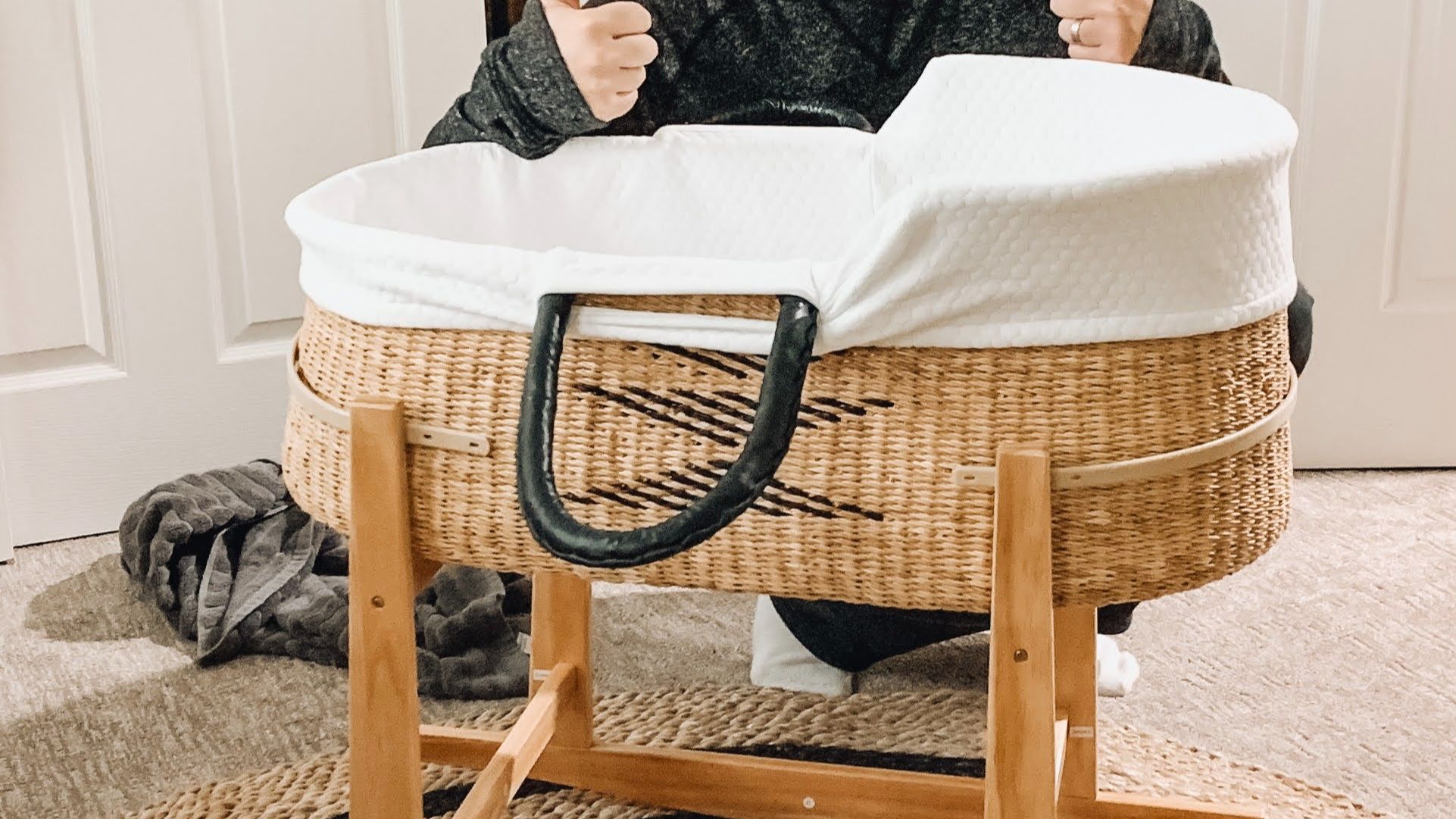
Today, we're diving into why it's so hard to let go, even when you really want to.
This post explores the emotional weight behind clutter, what keeps us holding on, why letting go can feel scary, and how to move through it without guilt or overwhelm.
Even if your space is set up for success, your brain might still hit the brakes when it comes time to release the things you no longer need. Let's unpack why that happens and what you can do about it.
1. Your Brain Is Hardwired to Avoid Loss
It's not just sentimental attachments or "bad habits" that make clutter hard to let go of.
It's the way our brains are wired to perceive loss.
Loss aversion
Even when something isn't useful, when it's clogging your kitchen drawers or taking up space in your closet, it still feels harder to part with than it should.
That's because of a principle called Prospect Theory, developed by Nobel Prize-winning psychologist Daniel Kahneman and his colleague Amos Tversky. Their work explains why we often make irrational decisions around stuff, especially when it comes to what we keep.
We don't measure value objectively.
We measure it emotionally, through the lens of perceived gain or loss.
Losing $100 feels worse than gaining $100 feels good.
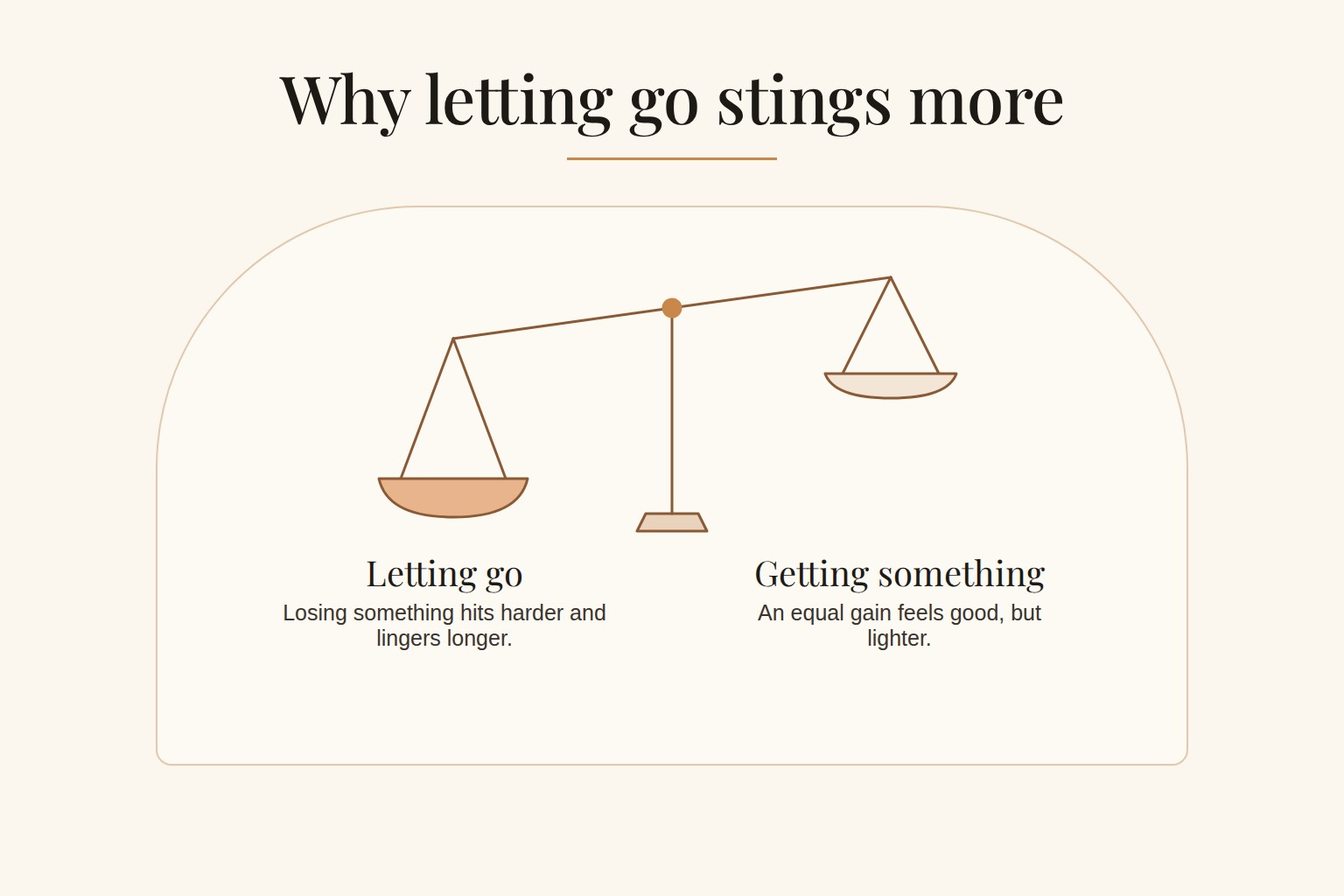
In decluttering terms, letting go of a pair of shoes (even if they don't fit anymore) stings more than getting a brand-new pair feels exciting. This is the basis of a well-known phenomenon called loss aversion.
We Misjudge Probabilities
Prospect Theory's probability weighting function shows that:
- We overestimate rare possibilities.
- That's why you hesitate to get rid of a pot you haven't used in 3 years, because maybe one day you'll need it for that one specific dish.
- Even though the actual odds are low, your brain inflates the chance that you'll regret letting it go.
- We underestimate high possibilities.
- Like the inconvenience of digging through cluttered drawers every single morning.
- That's more likely to impact your life than needing the pot someday, but it doesn't feel as pressing.
The Endowment Effect: "It's Mine, So It's Worth More"
Then there's the endowment effect, our tendency to overvalue things just because we own them.
In one study, people were randomly assigned to be buyers or sellers of the exact same mug. Sellers valued it at more than double what the buyers were willing to pay.
Once it was "theirs," it felt more valuable.
The same thing happens with your clutter.
You wouldn't repurchase most of these items. But because they're already in your home, your brain assigns them extra value.

So between loss aversion and the endowment effect, your brain is already working against your goals before you've even touched a donation box.
Why It Literally Feels Painful to Let Go
Loss aversion shows up in your body too.
Brain imaging studies show that we process loss in the same areas of the brain where we register pain.
That's why decluttering can feel uncomfortable in your body.
It's not you being overly sensitive. It's your brain trying to protect you from what it sees as danger, even if the "danger" is donating a third set of mixing bowls.
2. Identity & Memory: When Items Become Emotional Landmarks
Letting go of physical things gets exponentially harder when they're tied to emotional moments, people, or former versions of yourself.
We all have items that feel like chapters of our lives.
- A favorite mug from your college days.
- A baby onesie from when your now-teenager was tiny.
- A card from someone you loved deeply and lost.
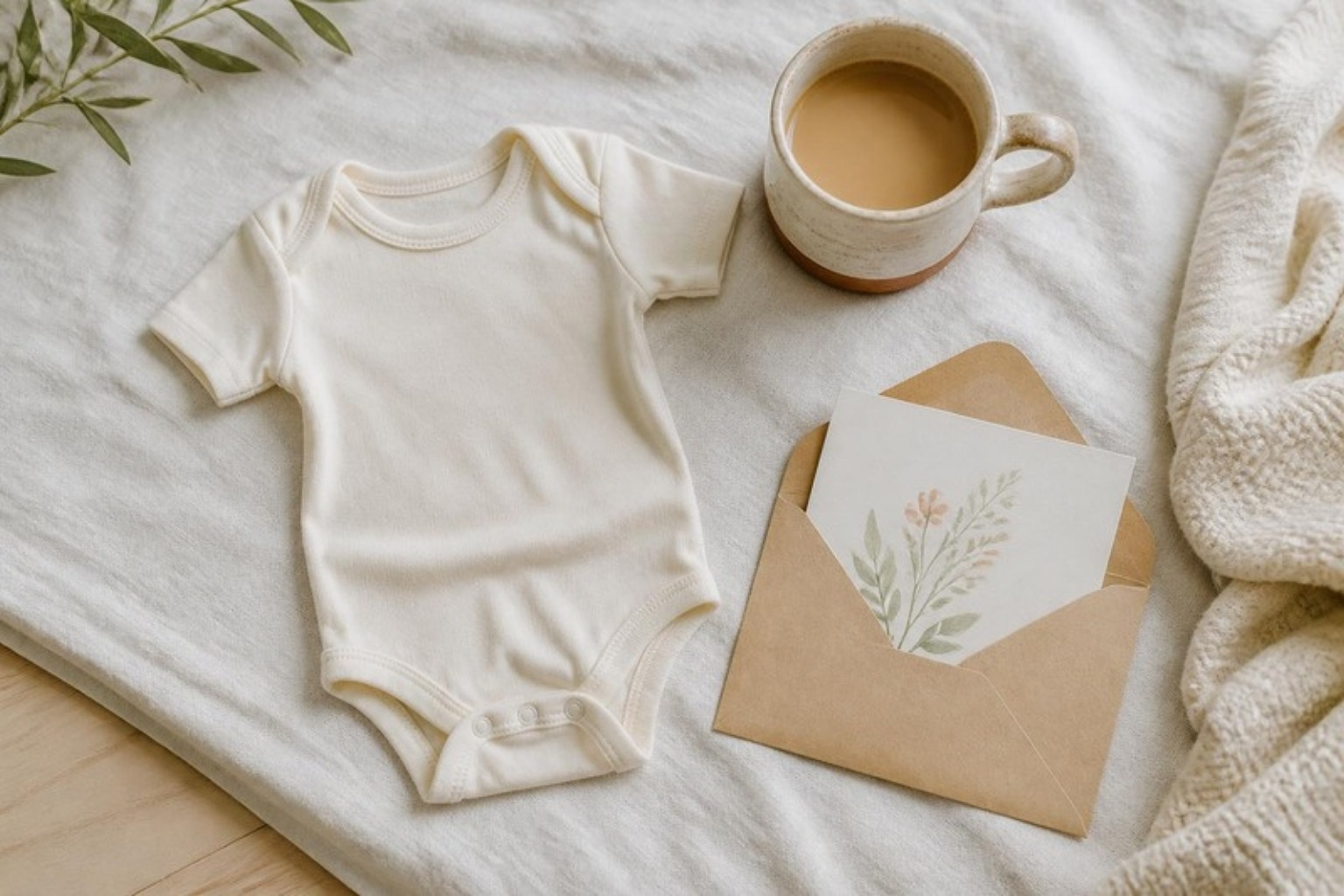
These things feel sacred because they hold meaning, far beyond the space they take up on a shelf.
They reflect who we were, who we loved, and who we thought we'd be.
So it makes sense that letting them go would feel like erasing something irreplaceable.
Memory doesn't live in the item. It lives in you.
And you don't have to hold onto everything to hold onto what mattered.
Grief Makes It Even Harder
If you've lost someone close to you, letting go goes beyond a sentimental hurdle into heartbreak.
And clutter can become a stand-in for connection, memory, or even closure.
After a death, items take on a new kind of emotional weight. They can become sacred by default.
And beyond practicality, it becomes a question of permission.
Is it okay to let go of something that belonged to someone you loved deeply?
You might worry it will feel like erasing them, moving on too quickly, or disrespecting the gravity of what you've lost.
The answer isn't simple.
There's no "right" timeline.
Grief doesn't follow a checklist.
A phrase I love comes from Aimee Dufresne, who lost her husband suddenly. She said,
"When you feel even the tiniest glimmer of hope and freedom in your gut at the thought of making space, it's time."
That tiny flicker of readiness in you is your green light, regardless of the calendar or what other people do.
And when you are ready, the goal isn't to "get rid of everything."
It's to keep what carries meaning, release what carries weight, and remember that honoring a person's life doesn't mean turning your home into a shrine.
Joyce Hocker, Ph.D., suggests integration over isolation. Instead of boxing everything up and storing it out of sight, ask yourself one question.
Can this be integrated into my daily life in a meaningful way?
- Can you wear your partner's favorite hoodie around the house?
- Could you turn pieces of old clothing into a memory quilt or keepsake?

These pieces don't have to be hidden to be sacred.
They can live alongside you, used, loved, and honored in your now.
3. Clutter Feels Like Comfort (Even When It's Draining You)
Not everyone is surrounded by clutter because they love stuff.
In many cases, they keep the stuff because it feels safe.
A stand-in for emotional armor.
It can act like a security blanket, shielding people from discomfort, decisions, grief, fear, or even just the awareness of time passing.
But that comfort is often false.
- Discomfort avoidance: You keep the pile of unopened mail on the counter because dealing with it means facing a bill you forgot to pay or a task you've been putting off. Avoiding it feels better, even if it adds stress in the background.
- Decision avoidance: You save every broken or mismatched item "just in case," because deciding what's truly useful would mean deciding what isn't. And that opens the door to second-guessing or regret. So instead, everything stays.
- Grief buffering: A closet full of a loved one's clothes remains untouched months or years after they're gone. Going through it would mean confronting the permanence of that loss. So the clothes stay, and time stands still around them.
- Fear of change: That cabinet of untouched craft supplies or unread books may represent dreams that never quite took off. Letting go of them means accepting that a version of you, one that maybe felt more inspired or adventurous, isn't current anymore.
- Avoiding time's passage: Sometimes clutter builds simply because sorting through it would highlight how much has changed. The kids grew up. The job ended. That chapter of life is already over. Holding onto the stuff feels like holding onto time.
The problem with that is that it's not real. It's all just perceived, and in the meantime, these shells of protection can keep you stuck instead of growing or moving forward.
The comfort of old mindsets
Often, what keeps the clutter around is a little voice that says, "I can't."
You might not say it aloud, but it shows up in your actions:
- "I'm just not good at organizing."
- "This is just who I am."
- "I'll deal with it when life slows down."
But those aren't traits. They're beliefs that lead into a narrative that your clutter is inevitable.
That your space, schedule, and stuff are happening to you, out of your control.
While this may seem to be relieving (it takes the pressure off being responsible for things that have happened or for changing them), it also removes your power and can keep you stuck in a situation that you no longer want to be in.
False Comfort vs. Real Security
Real security doesn't come from 50 mugs or a closet full of backup clothes or boxes of childhood artwork you never look at.
Real security comes from trust.
- Trust that you can handle life without every what-if scenario covered.
- Trust that memories live in you.
- Trust that your space can reflect who you are today.
Struggle doesn't equal defeat.
You don't need to feel 100% confident before you begin.
Information Hoarding Feels Productive
When people feel overwhelmed by clutter, many reach for something that feels productive.
They start collecting decluttering checklists and blog posts. I call it "information hoarding."
It's safer than action. It feels proactive. But the clutter's still there.
Consuming information and transforming your space are two different things.
And at some point, you have to stop preparing and start deciding.
Yes, it's uncomfortable.
But growth never comes from comfort.
Just Start, Even If It's Scary
Take some kind of action to bring your home one step closer to a space that inspires and supports you. Everything above is part of the bigger picture of the psychological effects of clutter, and understanding it is half the battle.
I also have a free workshop you're welcome to watch. It breaks down how to create a holistic, clutter-free space.